 by Agrifora
Newcastle Disease
Newcastle Disease Vaccination
Is a disease caused by a virus and has the broadest host range such as most birds species and mammals including humans.
All species of birds are considered to be susceptible e.g. roadrunners, broilers, layers, pigeons, ducks, turkeys, geese, qualia birds, and wild birds.
From the above information, it is important to note that the disease is globally distributed.
Newcastle, as said is a viral d22 hence prevention through vaccination is the best way to contain the d22 as treatment is mostly without success.
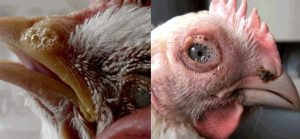
The signs to look out for
Varies with species age and condition of host and virulence of the vims strain but mostly there is
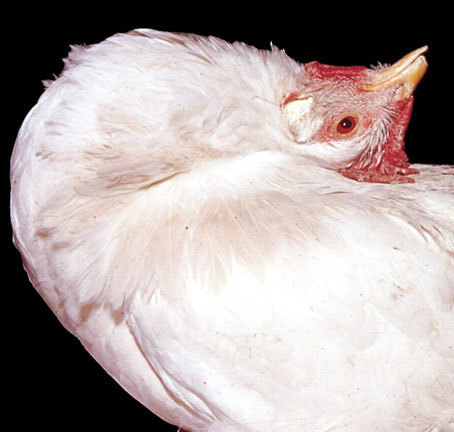
- Neck twisting (aka stargazing)
- Nasal discharge
- Coughing and difficulty in breathing
- Paralysis and tremors
- Mortality of up to 90% and morbidity of a100%
Incubation period
In chickens, the period is 2-15 days. Other bird species range from 3-28 days depending on the severity of the virus strain and quantity of the virus the birds are exposed to.
Transmission
It is through secretions from respiratory and fecal matter:
- through the contaminated feed for chickens and water;
- through untreated litter, feathers, down;
- through the contact of a healthy and sick bird;
- through the biological isolation of the organism of a sick bird;
- through clothing, footwear and inventory of a person in contact with sick birds;
- through vehicles that have visited places where the sick bird is.
It is important to note that the Newcastle Disease virus is very stable outside the host. Hence, people, rodents, and insects are listed as potential disseminators of the virus to susceptible animals.
Treatment & vaccination
- Treatment is not successful with viral disease though some succeed through a combination of Virukill and Oxytetracycline
- It is highly infectious and spreads at extreme speeds
- Vaccination remains the best way forward to contain the disease.
- So in domestic fowl, Newcastle Disease is controlled by vaccination with avirulent, attenuated-live virus vaccines.
Birds will be vaccinated twice annually and in this case, using a 1-2 vaccine which can cross protect the birds against a variety of strains. The vaccination processes will be either in drinking water or intraocular or through spraying. It is important to note that the entire population of each flock must be vaccinated to effectively control the infection in the birds.